The Soundtrack of Life: How Music Shapes Our Daily Activities and Brain
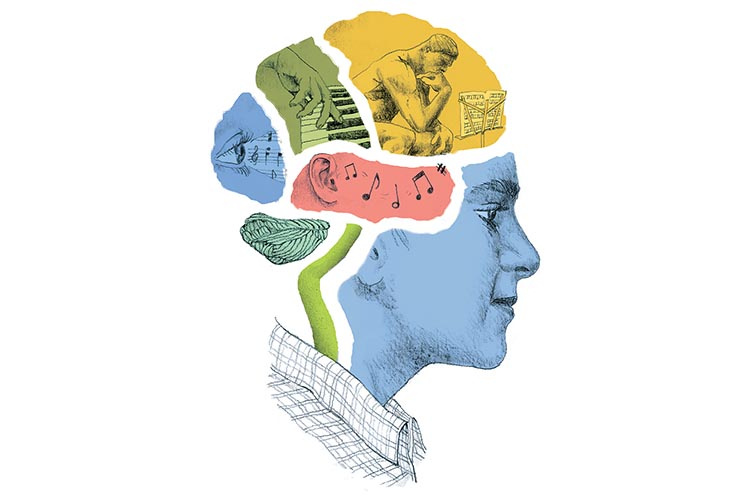
From humming in the shower to playing your favorite playlists during workouts, music is there into nearly every part of our lives. It calms us, energizes us, helps us concentrate, and sometimes even helps us heal. But have you ever wondered why a particular melody lifts your mood or why some songs help you focus better? The answer lies in a fascinating blend of neuroscience, psychology, and cultural influence.
Music and Daily Life: A Constant Companion
Music is more than just a part of entertainment it's a tool which we use to navigate our days. Whether it’s background music in a cafe or your favorite tracks on a bus, it influences your emotions, attention, and productivity.
-
Morning rituals: Upbeat tunes help stimulate energy and motivation.
-
Studying or working: Lo-fi or classical music is often used to improve focus.
-
Exercise: High-BPM music can boost endurance and reduce perceived effort.
-
Sleep: Slow-tempo music lowers heart rate and promotes better sleep quality.
-
Emotional regulation: Sad songs can be cathartic, while happy music can reduce anxiety and lift mood.
Studies have shown that music can regulate mood with immediate effect, which explains why we instinctively choose specific songs based on how we feel—or how we want to feel.
Scientific Discoveries: Music as a Brain Hack
Over the years, researchers have dug deep into how music affects the brain. Here are some of the most groundbreaking findings:
1. Music Improves Memory
Listening to music, especially familiar tunes can trigger autobiographical memories. This is why songs from our past can transport us instantly to specific moments in life. In fact, music therapy is used with Alzheimer’s patients to help them reconnect with forgotten memories and emotions.
2. Music Enhances Learning
Research from Stanford University shows that music engages areas of the brain involved with attention, prediction, and memory, making it a useful aid in learning. When used right, music can increase retention and comprehension, especially during repetitive or boring tasks.
3. Music Reduces Pain and Stress
A 2013 study published in Trends in Cognitive Sciences found that music can modulate pain perception by activating the brain’s reward center. Similarly, calming music can reduce cortisol (the stress hormone) and promote relaxation—often as effectively as meditation.
4. Music Stimulates Creativity
A study in PLOS ONE found that ambient noise at moderate levels can boost creative thinking. This is why many artists and writers prefer working with background music rather than complete silence.
How Music Affects the Brain: Region by Region
The human brain lights up like a symphony when it processes music. Here’s how different parts are involved:
Auditory Cortex:
This part processes sounds, helping you recognize melody, pitch, and rhythm.-
Prefrontal Cortex:
It helps you focus and understand the emotions in music—great for studying or reflecting. -
Hippocampus:
Music triggers memories here. That’s why old songs often remind you of specific moments. -
Motor Cortex:
Controls movement—this is why you tap your foot or dance without thinking. -
Nucleus Accumbens:
Releases dopamine (the “feel-good” chemical) when you hear music you enjoy. -
Amygdala:
Processes emotion—this is what makes music feel sad, happy, peaceful, or intense.
Music and Productivity: A Sonic Boost
Listening to the right kind of music while working can increase concentration and flow. Here’s how music influences specific types of tasks:
-
Repetitive tasks (e.g., data entry, folding laundry): Fast-paced, rhythmic music improves speed and endurance.
-
Creative tasks (e.g., writing, designing): Instrumental or ambient music can enhance divergent thinking.
-
Analytical tasks (e.g., coding, solving equations): Silence or subtle background music works best, as lyrics can interfere with verbal reasoning.
Interestingly, familiar music works better than unfamiliar music when focus is the goal—it distracts less because your brain already knows what’s coming next.
The Cultural and Emotional Side of Music
Apart from science, music is deeply tied to culture, identity, and emotional expression. Genres like classical, hip-hop, folk, or techno each reflect different emotional palettes and cultural narratives. Music can unite people during festivals, rituals, protests, or even shared grief.
It also plays a big role in social bonding. Group singing, dancing, and musical experiences release oxytocin, the “bonding hormone,” increasing trust and cooperation.
Therapeutic Applications: Music as Medicine
Music therapy is now a legitimate branch of mental health and rehabilitation. It is used for:
-
Autism: To develop communication and social interaction.
-
Depression and anxiety: To support emotional release and self-expression.
-
Stroke recovery: To improve motor coordination and speech through rhythmic exercises.
-
Chronic pain: To distract the brain and reduce pain signals.
The American Music Therapy Association recognizes music as a powerful non-invasive treatment option that works alongside medical interventions.
Future Directions: AI and Brainwave Music
With the rise of AI, we’re seeing personalized playlists generated based on heart rate, mood, or even brain activity. Platforms like Endel or Brain.fm use real-time data to create adaptive soundscapes that boost productivity, sleep, or relaxation.
Researchers are also exploring binaural beats—audio illusions created by two slightly different frequencies in each ear—to stimulate focus or induce meditation states. Though still debated, early studies suggest they might help in mental clarity and stress reduction.
Music isn’t just background noise—it’s a powerful psychological, emotional, and neurological tool. Whether you use it to wake up, wind down, heal, or hype up, music influences how you feel, think, and act.
From its ability to re-wire the brain, reduce pain, and enhance memory, to its role in social bonding and cultural identity, music is truly the soundtrack of human experience.
So the next time you queue up a playlist, remember—you’re not just listening. You’re changing your brain.


Comments
Post a Comment